


What Is A Waterstop Made Of ?The Coating Technology Behind The Waterstop
Waterstops are a critical but often overlooked component in modern construction, serving as vital barriers against water infiltration in concrete structures. But what exactly are these essential elements made of, and how does manufacturing technology ensure their reliability? While the base material provides the foundation, it's the specialized coating process that truly determines a waterstop's performance and longevity.
Composition: The Foundation of Waterproofing
Typically manufactured from durable, flexible materials, waterstops primarily consist of:
Rubber Compounds: Including natural rubber, EPDM, or neoprene, chosen for their elasticity and resistance to environmental factors
PVC Blends: Offering excellent chemical resistance and durability
Thermoplastic Materials: Providing superior weldability and installation convenience
However, the base material itself cannot guarantee the best performance. The key lies in the coating - a professional coating can enhance the sealing property of the waterstop.
Why Coating Quality Matters in Waterstop Performance?
The coating process directly impacts the waterstop's essential characteristics:
Adhesion Quality: Determines how effectively the waterstop bonds to concrete
Flexibility Maintenance: Ensures the coating withstands structural movement
Environmental Resistance: Provides protection against water, chemicals, and temperature variations
Long-term Reliability: Prevents delamination and maintains sealing integrity
Coating Technology
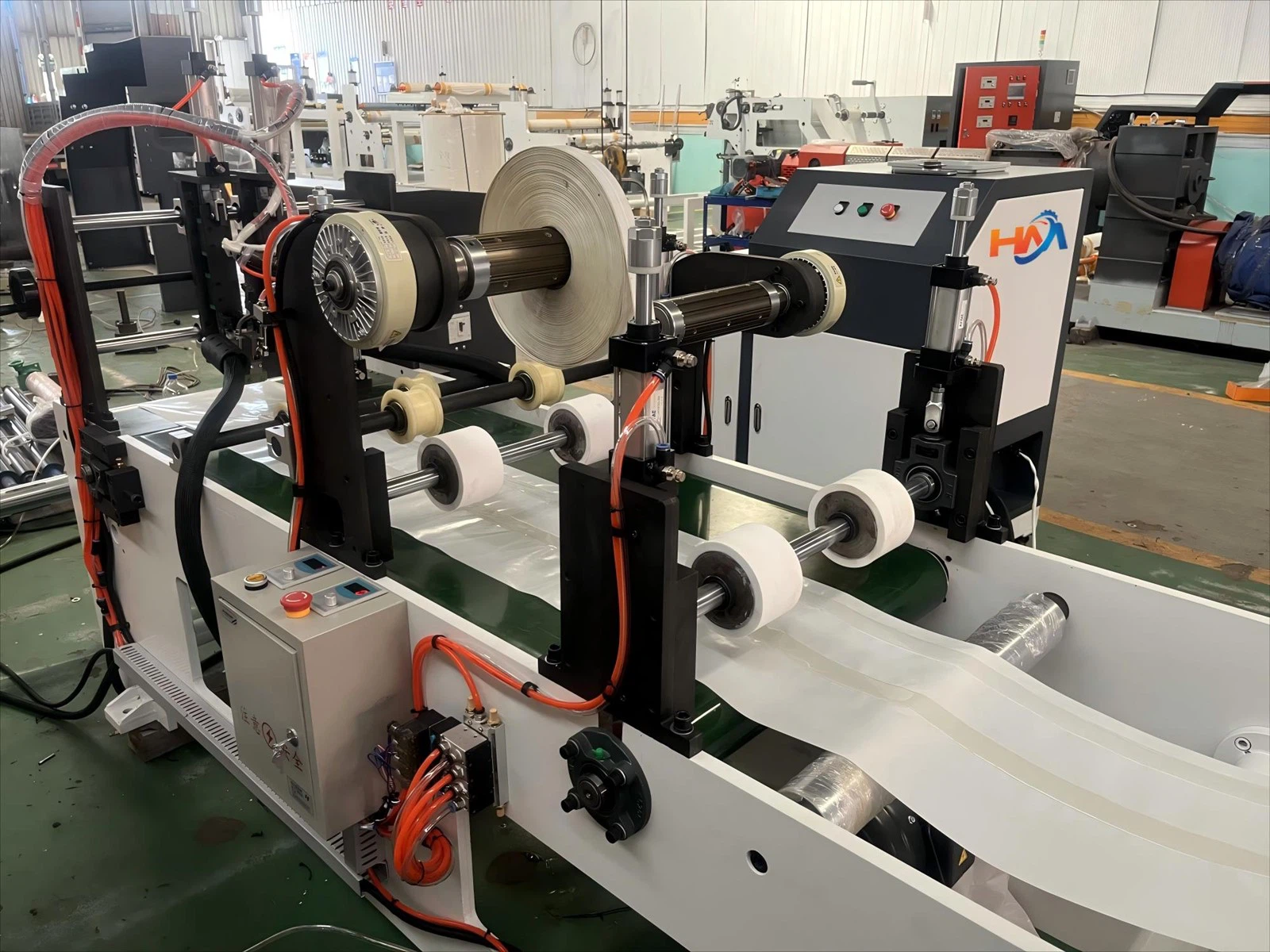
This is where specialized coating equipment, such as our Rubber Waterstop Specialized Coating Machine, becomes indispensable. The machine's engineering addresses the precise requirements of waterstop manufacturing through:
Precision Coating System
- Dual knife coating technology ensuring uniform adhesive distribution
- Adjustable thickness control from 1-2mm for consistent application
- Synchronized speed-adhesive output maintaining coating integrity
Thermal Management Excellence
- Six-zone temperature control maintaining optimal 230°C operating conditions
- Teflon-coated melting tank preventing adhesive carbonization
- Advanced heating elements ensuring consistent adhesive viscosity
Production Efficiency
- Continuous operation capability with dual unwind stations
- PLC-controlled automation reducing manual intervention
- Quick-change components minimizing downtime
Applications Across Construction sectors
This technology serves critical roles in:
- Tunnel Construction: Ensuring waterproof joints in underground passages
- Bridge Infrastructure: Maintaining structural integrity against water damage
- Basement Structures: Preventing moisture infiltration in below-grade spaces
- Water Containment Facilities: Securing joints in reservoirs and treatment plants
The coating process significantly determines the sealing performance and service life of the waterstop.For contractors, engineers, and project managers, understanding both the composition of waterstops and the manufacturing technology behind them provides valuable insights for material selection and quality assurance in watertight construction.
If you'd like to learn more or discuss customization options, feel free to contact us!


