


Key Technologies To Achieve Precise Coating On Hot-melt Coating Machines
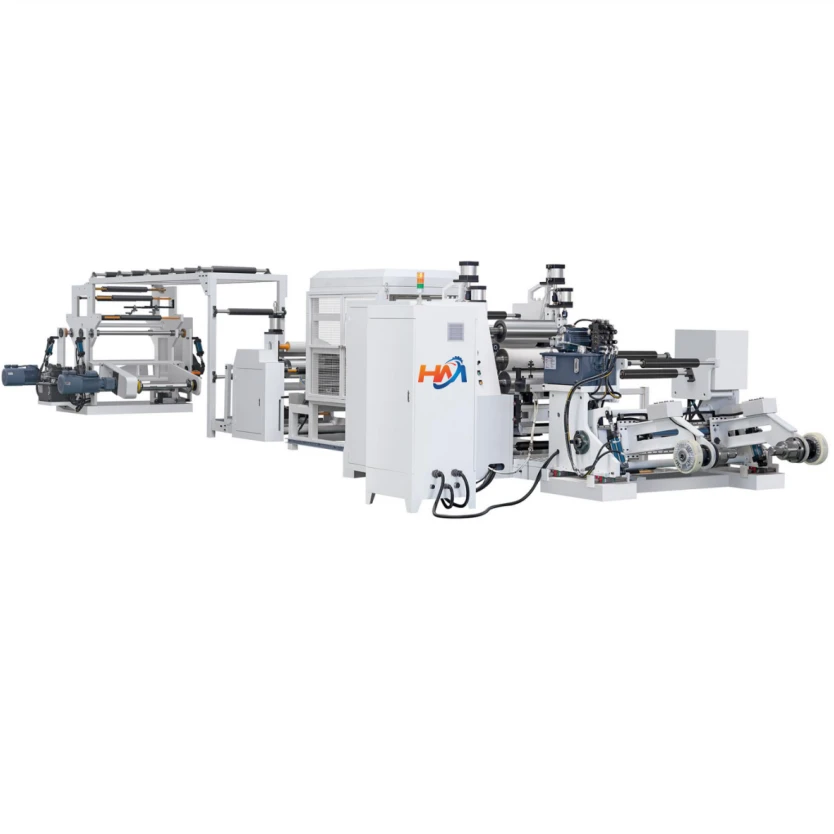
Hot-melt coating machines are widely used in packaging, electronics, automotive and other industries, applying hot-melt adhesive evenly onto various substrate surfaces. As industrial automation keeps advancing, achieving precise hot-melt coating has become a critical topic across the sector. Multiple technical factors jointly determine the final coating accuracy in real-world production.
Mechanical design and structural configuration lay the foundation for high-precision coating. Modern units adopt high-response servo motors and linear guide rail systems to maintain stable speed and accurate positioning for the coating head during operation. Servo drives enable rapid speed adjustment to match diverse substrates and process requirements. Meanwhile, coating-head design plays a decisive role. Selecting proper nozzles and coating modes - spot coating, line coating or full-surface coating - allows operators to regulate adhesive flow rate and coating thickness effectively.
Accurate temperature control stands as another vital factor. Hot-melt adhesives turn liquid under heating and solidify quickly upon cooling. Minor temperature deviations will change adhesive fluidity and adhesion, resulting in uneven coating layers. Well-equipped hot-melt coating machines are fitted with high-precision temperature control modules for real-time monitoring and adjustment. Stable temperature settings not only improve coating consistency but also boost overall production efficiency.
Advanced control systems further support repeatable precision. Most contemporary hot-melt coating machines are equipped with PLC and HMI human-machine interfaces. Operators can set customized parameters including coating speed, adhesive flow and coating patterns for different production tasks. Real-time monitoring functions feed back abnormal operating conditions promptly, helping sustain stable coating quality throughout long-run production.
Substrate preparation and adhesive selection cannot be ignored. Surface roughness and absorption features of base materials directly affect bonding performance. Pre-treatment such as cleaning, grinding or primer coating helps enhance adhesive attachment. Besides, hot-melt adhesives vary greatly in fluidity and stickiness; matching adhesive grades to actual application scenarios is essential for expected coating outcomes.
Routine maintenance is also indispensable. Nozzle clogging, temperature-control failure and component wear will degrade coating accuracy over time. Regular cleaning, inspection and parameter calibration help offset equipment aging and avoid inconsistent coating defects.
To sum up, precise hot-melt coating relies on coordinated performance of mechanical structure, temperature management, control system, material matching and daily maintenance. With ongoing technical upgrades, hot-melt coating equipment will become smarter, delivering more efficient and reliable coating solutions for global industries.
If you'd like to learn more or discuss customization options, feel free to contact us!


