


How To Use A Hot Melt Adhesive Coating Machine Properly
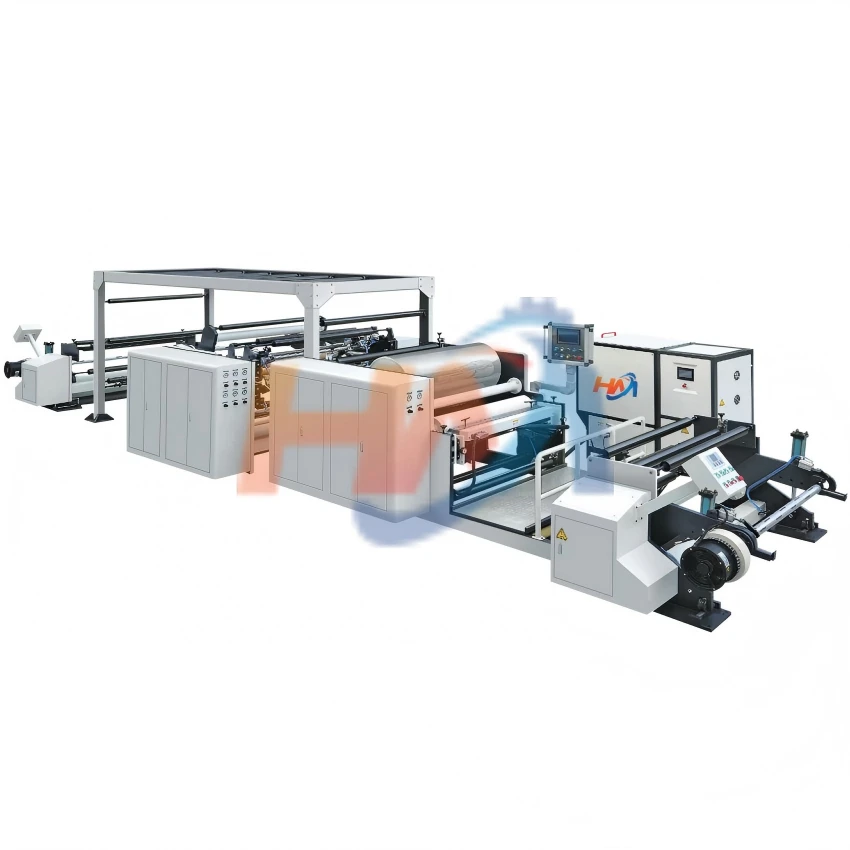
Hot melt coating is a go-to choice for making protective films, packaging tapes, labels and composites because it's solvent-free, cures fast and doesn't guzzle energy. But if you don't run the machine right, you'll end up with streaky coating, clogged dies, constant breakdowns and heaps of rejects. We've pulled together a practical, step-by-step workflow from industry specialists to help you get consistent results and keep your equipment alive longer.
Before you even flip the power switch, get these three basics nailed down.
First, give the whole machine a good once-over. Check the frame, melting tank, die head, heating lines, rollers and electrical cabinet for any dents, cracks or loose bolts. Pay special attention to the die lip scraper – if it's not perfectly flat, your coating will go on unevenly across the web, and that's a headache you don't want.
Second, clean everything thoroughly. Use a lint-free cloth to wipe down the tank, die and rollers, getting rid of old glue, dust and any grit. Even a tiny speck can cause pinholes or stripes on your finished product, so don't skip this.
Third, pick the right hot-melt pellets or blocks for your job – check the melt point, viscosity and tack. Fill the melting tank only about three-quarters full; any more and you'll have overflow as it heats up.
Now turn on the power and start heating both the tank and the die. Set the temperature about 10–20°C above the adhesive's melting point – for instance, if your glue melts at 120°C, aim for 130–140°C. Depending on the tank size, it'll take 20 to 40 minutes to reach the set point. Keep an eye on the viewing window: if you still see unmelted lumps, your temperature might be too low or you haven't waited long enough – just give it more time.
Once the glue is fully liquid, run the gear pump to purge air from the feed lines. This step is easy to overlook, but trapped air causes sputtering and uneven output, so make sure you see a steady stream without bubbles.
Next, start the drive system at a crawl – about one-third to half of your normal production speed. Listen for odd noises or feel for vibration; if something's grinding or wobbling, it's usually low lubrication or a foreign object stuck in a roller. Sort that out before going faster.
Now tweak your coating parameters. Adjust the die gap and scraper position to get the thickness and width you need – for label stock you might want just a few millimetres of glue width. Set your line speed and glue-delivery rate according to how absorbent your substrate is and how fast you want to run. More absorbent materials (like paper) need extra glue; for faster output, you'll have to balance temperature and viscosity so it still wets out properly.
Start feeding your substrate – PET film, paper or fabric – making sure it enters flat and wrinkle-free. As it runs, watch the coating pattern: is it even, continuous and the right thickness? If not, tweak the die pressure or nudge the temperature up a little to improve flow. Keep monitoring the temperature gauges – if they drift, the glue viscosity changes and your quality goes south. Also check the glue level in the tank regularly; when it drops, top it up with fresh pellets before the pump sucks air.
When you finish a run, stop feeding substrate and let the remaining web pass all the way through the coating station, then shut off the glue supply. Clean the tank and die head immediately while the residue is still soft and warm – if you let it cool and harden, you'll have a real fight on your hands, and it can scratch the die lip or block pipelines. Use scrapers and cloths to wipe it clean. After that, turn off the heaters and let the machine cool down naturally; don't cut the main power while it's scorching hot, or you might damage the heating elements. Only when it's cool to the touch should you switch off the mains.
Stick to this routine and you'll slash defects, cut downtime and save yourself a pile of repair bills. It's not rocket science – just careful, consistent habits that keep the glue flowing and your production running smoothly.
If you'd like to learn more or discuss customization options, feel free to contact us!
No Information


