


How To Reduce Energy Consumption in Hot Melt Adhesive Coating? 3 Methods That Deliver Results
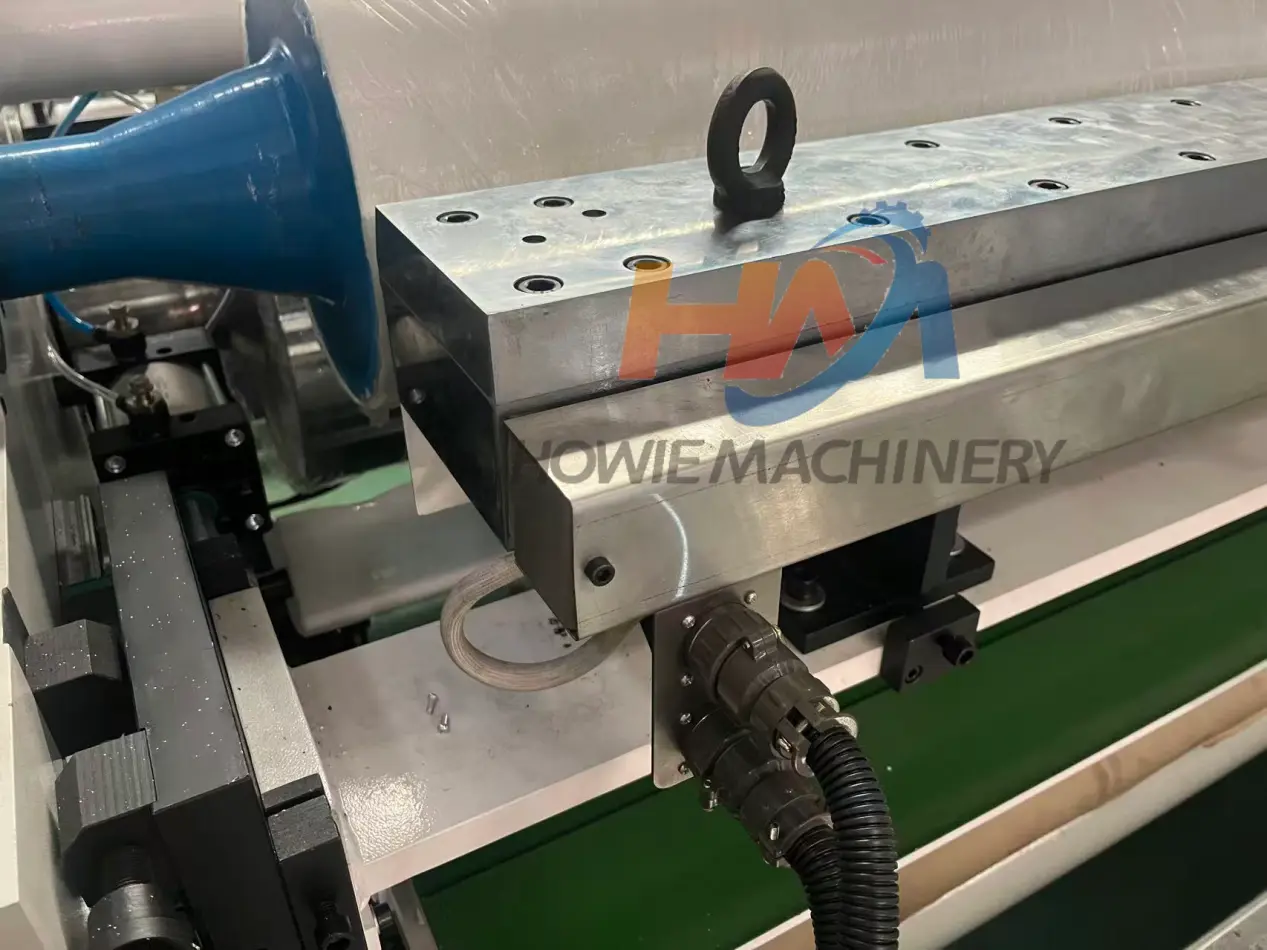
Energy is one of the largest operating costs for any hot melt adhesive coating machine. Heating adhesive past 150°C and holding it there shift after shift draws significant power. The good news: most lines can achieve meaningful savings without replacing drives or controls. These three methods rely on adjustments, maintenance, and process discipline that nearly any operation can implement.
1. Revisit Temperature Setpoints and Idle Strategy
Many machines run hotter than necessary. Operators often raise setpoints to avoid clogging, but every 10°C above the adhesive manufacturer's recommendation increases energy use by 5–8% and degrades the adhesive. Audit all zones - tank, hoses, die - against the technical data sheet. Lowering the tank by just 5–10°C can safely reduce heat loss.
Idle behavior matters equally. A hot melt adhesive coating machine that sits at full processing temperature during breaks or shift changes wastes power. Most temperature controllers support a standby mode that drops zones to 100–120°C and ramps back up in minutes. Implementing a disciplined startup schedule - turning heaters on only when needed - can cut daily energy use by 15–25% on intermittent lines, with no hardware changes.
2. Tighten Coat Weight Control to Reduce Over-Application
Every extra gram of adhesive carries embedded energy: it must be heated, melted, and pumped. Many lines run a safety margin of excess coat weight to avoid defects, but that margin adds direct energy cost. Simple calibration can narrow it.
Check the metering pump output against actual coat weight regularly. Gear pumps wear and actual flow drifts from the setpoint. Weigh coated samples from left, center, and right across the web; if the average is above target, incrementally reduce pump speed. A reduction of just 1 gsm on a wide line saves over 11 kg of adhesive per hour, which translates to roughly 3–4 kWh of heating energy saved directly.
Also verify the coating gap. A gap wider than needed forces the pump to work harder and increases back pressure. Adjusting to the minimum defect-free gap lets the pump run at lower speed with less resistance. These steps apply to any hot melt adhesive coating machine with a metering pump and adjustable coating station.
3. Improve Thermal Insulation and Reduce Heat Loss
Heat radiating from uninsulated surfaces is pure waste. Exposed metal on melt tanks, hose connections, and die bodies forces heaters to cycle more. An infrared survey quickly identifies hot spots. Insulation jackets and high-temperature wrap can drop surface temperatures by 20–30°C, paying for themselves in months. A simple insulated die cover also cuts radiation without affecting the process.
Airflow is another factor. Open doors, HVAC vents, or cooling fans near the coating station pull heat from the die. Simple shields or repositioned air curtains minimize this local cooling, letting the die hold temperature with less heater output. These low-cost fixes require no control system changes.
If you'd like to learn more or discuss customization options, feel free to contact us!


