


Hot Melt Adhesive Knowledge Guide
Hot Melt Adhesives: What They Are, Where They're Used, and Where They're Headed
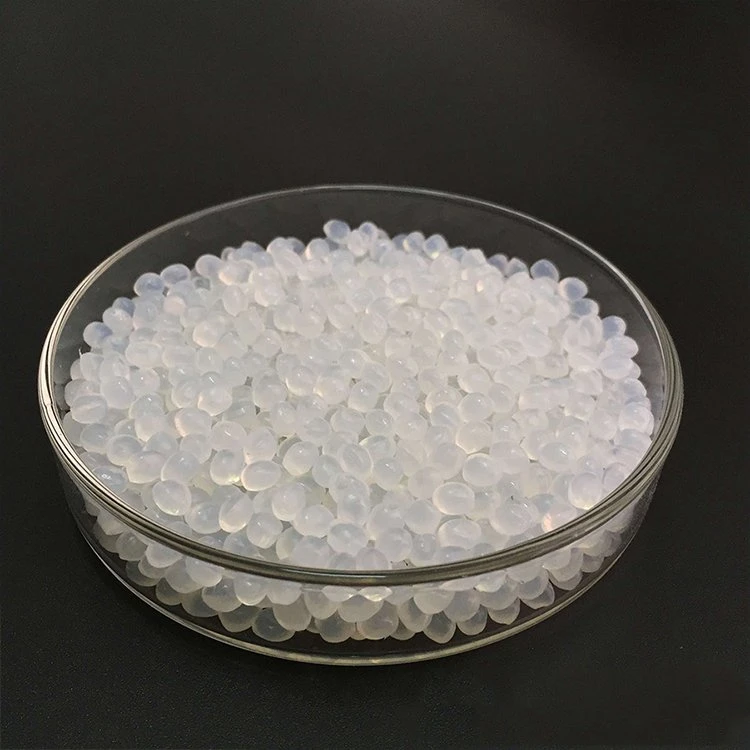
Walk into any packaging plant or hygiene product line, and you'll likely hear the hum of hot melt adhesive equipment. That's because HMAs have quietly become a go-to bonding solution in modern manufacturing. Unlike solvent-based glues, these adhesives are 100% solid thermoplastics – they stay rigid at room temperature, turn into a low-viscosity fluid when heated to somewhere between 80 and 180°C, and then set hard again as they cool. No VOCs, no drying ovens, and fewer production headaches.
EVA (ethylene vinyl acetate) is still the workhorse, capturing about 32.4% of the market in 2025. Why? It's cost-effective, food-grade safe, and sticks to a wide range of materials. That said, polyolefin, reactive PUR, and polyamide each have their own niche, engineered for specific jobs like heat resistance or flexibility.
The Good and the Not-So-Good
The real selling points of hot melts are speed and clean compliance. They set almost instantly, so you can run high-speed coating and packaging lines non-stop. No VOC emissions means they sail through environmental and food safety rules. Plus, they store easily, work on paper, plastic, fabric, metal – you name it – and any excess adhesive can be recycled.
But let's be honest: conventional HMAs aren't perfect. Most standard formulations don't love prolonged heat – leave them in a hot environment too long, and bond strength can drop. Also, to get consistent coating quality, you need decent temperature control and glue delivery systems. So it's not a "set it and forget it" material.
Where You'll Find Them
Packaging is the biggest user, accounting for roughly 34.2% of all HMA demand in 2025. Think food wrap lamination, express delivery bags, and the endless stream of e-commerce cartons. In healthcare, medical-grade hot melts show up in wound dressings, surgical tapes, and hygiene products – they're hypoallergenic and can be sterilised. Other key spots: butyl HMAs for construction waterproofing tapes, polyamide adhesives for car interiors, and special high-insulation formulations for new energy battery components.
What's Changing in the Industry
A few big trends are reshaping the hot melt market. First, sustainability isn't just a buzzword anymore – bio-based and biodegradable formulations are growing fast. More than 46% of new product launches now include renewable raw materials to lower carbon footprints. Second, high-performance grades are taking off: low-temperature processing, heat-resistant polyamide, even conductive or flame-retardant HMAs for electronics and batteries. Third, smart integration – precision glue supply systems and real-time coating mhttps://www.howiemachinery.com/hot-melt-coating-machine/onitoring are becoming standard on automated lines, which boosts stability and cuts waste.
All of this explains why the global hot melt adhesive market is expected to grow at a CAGR of 7.2% through 2033. It's not just about sticking things together anymore; it's about doing it faster, cleaner, and smarter.
(For those of us who design and buildhot melt coating equipment, we see it every day – the right application system makes all the difference in unlocking what a given HMA can really do.)
If you'd like to learn more or discuss customization options, feel free to contact us!


