


Coating Machine, Conformal Coater And Cast-Film Machine: Clearing Up Common Industry Confusion
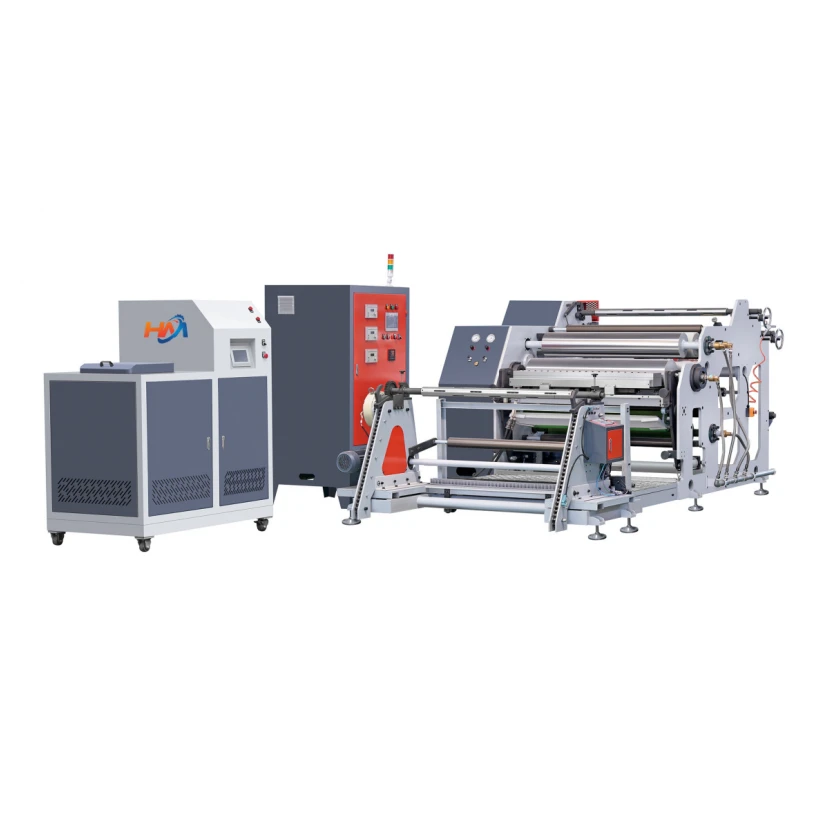
Many equipment buyers get confused by three frequently-seen terms in material processing: coating machine, conformal coater and cast-film machine. Sales documents and product catalogs often mix these names up, which can lead to wrong equipment selection and unnecessary investment losses. It makes practical sense to sort out their core working logic, material requirements and real-world use cases before placing orders.
A roll-to-roll coating machine works on existing flexible substrates such as PET film, paper, copper foil or non-woven fabric. Its core job is transferring ready-made liquid glue or slurry onto web-shaped base materials. Wet coating material gets laid evenly across the surface, then goes through drying or curing to form a functional extra layer on top of the original substrate. It can handle materials from low-viscosity solutions all the way up to heavy pastes. Comma-bar and slot-die units are widely adopted for precise thickness control. Tape production, lithium-ion separator coating and release film manufacturing all rely heavily on this kind of equipment.
Conformal coater covers a much broader set of surface-covering techniques. It is an umbrella term for any setup that puts a protective or functional layer onto workpiece surfaces. Apart from continuous roll coating, conformal coating includes spraying, dipping, brush application and selective dot dispensing. Unlike large-area roll-to-roll production, many conformal coaters focus on partial or patterned coverage. Typical examples are PCB circuit board conformal coating and precise glue dispensing for electronic components. Thickness consistency varies a lot from one method to another; manual or spray-based processes deliver far poorer uniformity compared with dedicated roll-web coating machines.
Cast-film machine follows a completely different production logic. Instead of adding layers to existing stock, it produces standalone films from scratch. Polymer pellets are heated until fully melted, extruded through a T-die, then flow onto chilled cooling rollers to take shape. Another variant is solution casting, where prepared slurry spreads over temporary carrier belts. After drying, the finished thin film peels away from the carrier. No pre-formed substrate stays in the final product. This process demands thermoplastic raw materials that can melt under heat. CPP packaging films and ceramic green sheets are well-known cast-film outputs.
One easy-to-mix-up expression is "cast coating". It actually belongs to coating-machine technology rather than real cast-film processing. It uses slot-die extrusion to feed slurry onto moving substrates, without melting polymer granules. Purchasing teams should focus on material status and final product form instead of just reading equipment names.
For factory procurement, naming alone cannot serve as selection criteria. Buyers need to confirm whether they need to add coating onto existing substrates, apply partial conformal protection, or produce brand-new self-standing films. Clarifying these points helps manufacturers avoid ordering mismatched machinery and cut trial-and-error costs in new-product development.
If you'd like to learn more or discuss customization options, feel free to contact us!


