


Troubleshooting Roll-to-Roll Coating: Typical Production Faults & Practical Fixes
Anyone working on roll-to-roll coating lines knows how tricky daily production can be. One fault gets sorted, and another pops up right away. Web wandering, doctor-blade scratches, powder shedding, horizontal and vertical streaks can all show up during regular runs. Most of these troubles stem from small gaps among operators, machine hardware, raw materials, process parameters and workshop surroundings. When one link goes wrong, scrap batches will follow.
Field-based technical experience groups these frequent coating issues into three major categories: equipment & tension-related failures, surface appearance defects, and areal-weight / thickness deviations. Very often these faults connect to one another. Unstable tension may trigger thickness drift, and inconsistent thickness further creates visible surface flaws. Operators should not fixate only on one symptom; they need to trace back along the whole process chain for real root causes.
Equipment-side faults usually appear the moment the line starts. Typical signs include correction-system limit alarms, dancer-roller malfunctions, and failed back-roller opening-closing actions. Many of these errors come from careless threading, misaligned sensors, loose wiring or uncalibrated sensors. For example, correction probes often get covered by splashed slurry; cleaning them can solve the alarm without immediate part replacement. Vibration on the production floor gradually loosens terminals, so regular tightening of wiring connections cuts down unexpected servo faults.
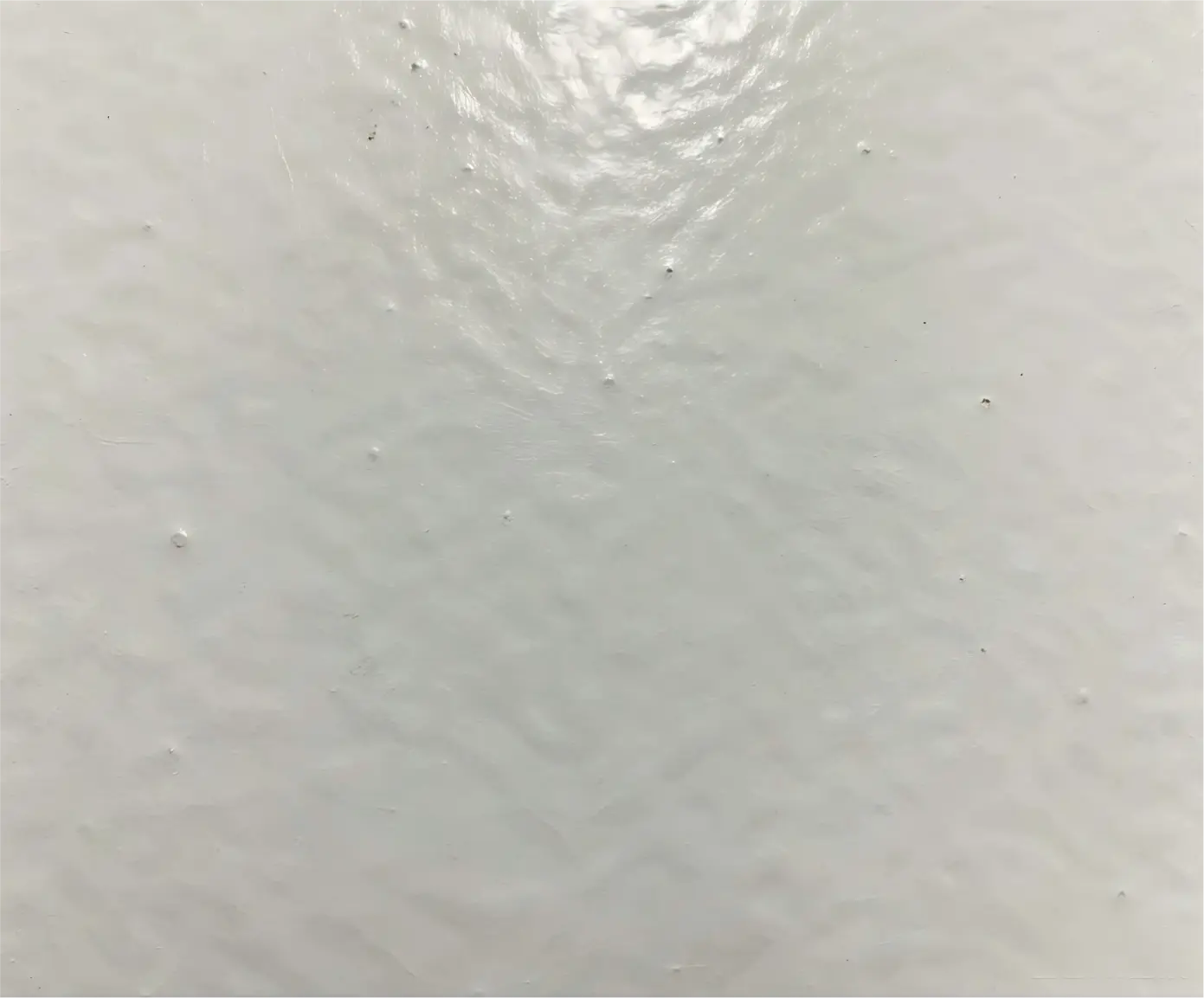
Surface-appearance defects create the biggest headaches for production teams. Scratches often come from hard particles mixed inside slurry or tiny nicks on doctor-blade edges. Operators need to inspect blade edges frequently and keep filter elements replaced on schedule. Powder shedding rarely comes from a single source; over-heated drying cycles, poor slurry binding performance or high workshop humidity can all contribute. Other common issues cover orange-peel texture, craters, pinholes and tails in intermittent coating runs. Orange-peel surfaces, for instance, are frequently caused by overly high temperatures in the first drying zone, rather than problems on the coating head itself. Slurry fails to level properly when skin forms too fast on top of wet coating.
Thickness and areal-weight inconsistencies hurt final product performance. Uneven gaps on comma blades, blade bending deformation and unsteady liquid level inside the glue tray frequently lead to cross-web thickness differences. Many operators overlook liquid-level fluctuation; changing feed pressure directly shifts coating weight. In intermittent coating jobs, poorly tuned thickness-trimming parameters may bring partial thin coating at roll start-and-end sections. Installing automatic liquid-level control helps stabilize feed pressure for consistent output.
No universal solution works for every plant. Exact adjustments have to match each factory's own equipment, raw-material batches and workshop conditions. Learning to classify coating faults helps production staff narrow down checking steps, cut down trial-and-error time, lower scrap rates and maintain stable batch-to-batch product quality for tape, protective-film and new-material manufacturers.
If you'd like to learn more or discuss customization options, feel free to contact us!


