


What To Watch Out For When Purchasing Roll-to-Roll Coating Machines
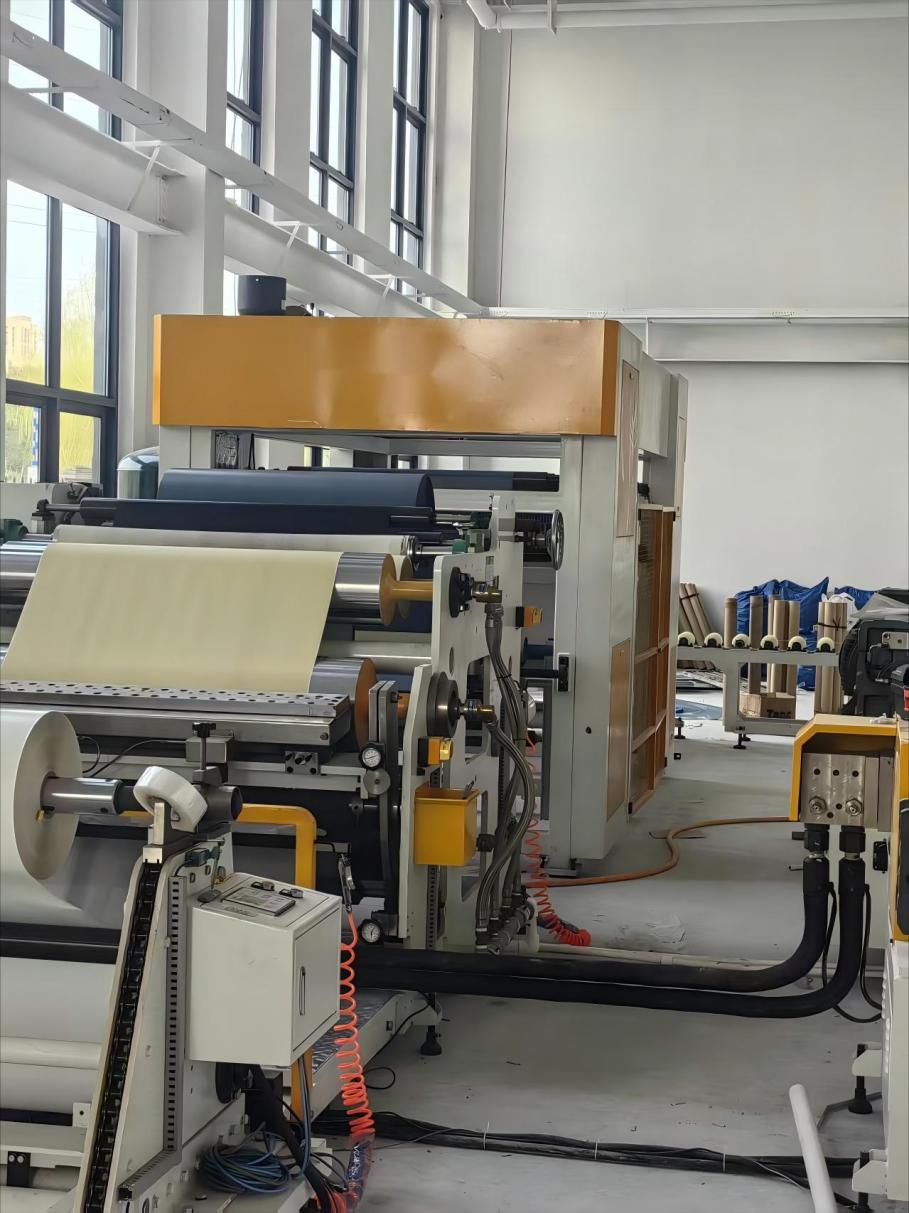
Many factory buyers focus heavily on top speed and quoted precision figures when shopping for coating equipment. Yet after installation, they frequently run into real-world headaches: inconsistent coating weight, insufficient drying capacity and frequent unexpected downtime. Brochure specifications do not always reflect long-run performance. Several practical hard metrics deserve close evaluation before signing purchase contracts.
Coating uniformity should be the first point of assessment. Manufacturers publish different calculation standards, so advertised figures can be misleading. Buyers need to check performance in both cross-web and machine directions. Cross-web uniformity becomes more challenging as working width increases. For comma-bar systems, roller roundness, total run-out and blade straightness set limits for even coating. Slot-die performance relies heavily on internal manifold design and fluid distribution. Long-run stability matters just as much as static test results. Slight wear on blades or dies will slowly shift thickness values after hours of continuous operation, even if initial samples look perfect.
Drying efficiency directly affects operating costs on the production floor. The drying section accounts for 60-70 percent of total power consumption on most full-scale coating lines. Temperature alone cannot guarantee good drying outcomes. Air velocity, air intake-exhaust balance and incoming air humidity work together to control solvent evaporation. When talking with equipment suppliers, buyers should ask practical questions. These include actual energy consumption data, whether heat-recovery modules are fitted, temperature accuracy for individual zones and how airflow gets monitored. New heating approaches such as infrared heating can boost thermal efficiency, yet purchasers need to verify real-world field cases instead of relying purely on theoretical data.
Total life-cycle maintenance costs are easily overlooked during procurement. Initial payment for the machine may only represent around 30 percent of total spending over its service life. Component wear develops gradually without obvious breakdowns. Worn bearings trigger tension drift; sensors can drift out of calibration from dust contamination. Operators face three levels of maintenance work: routine preventive checks, condition monitoring through vibration and thermal inspection, and advanced predictive maintenance with online sensors.
Before finalizing orders, it makes sense to clarify several practical points with vendors. What are typical replacement cycles and price ranges for wearing parts? Are sensor interfaces reserved for future condition monitoring upgrades? How fast can after-sales support respond, and what is the stock level for critical spare components? Well-designed coating equipment keeps maintenance predictable rather than creating constant repair trouble.
A suitable coating line brings stable yield and solid profit for tape, protective-film and new-material producers. Rushing decisions based only on low price or marketing brochures often leads to heavy losses from scrap and downtime. Evaluating uniformity performance, drying efficiency and long-term service costs helps buyers avoid common procurement pitfalls and pick equipment matching actual manufacturing demands.
If you'd like to learn more or discuss customization options, feel free to contact us!


