


Understanding Tension Control in Coating Machines: Practical Insights From Howie Machinery
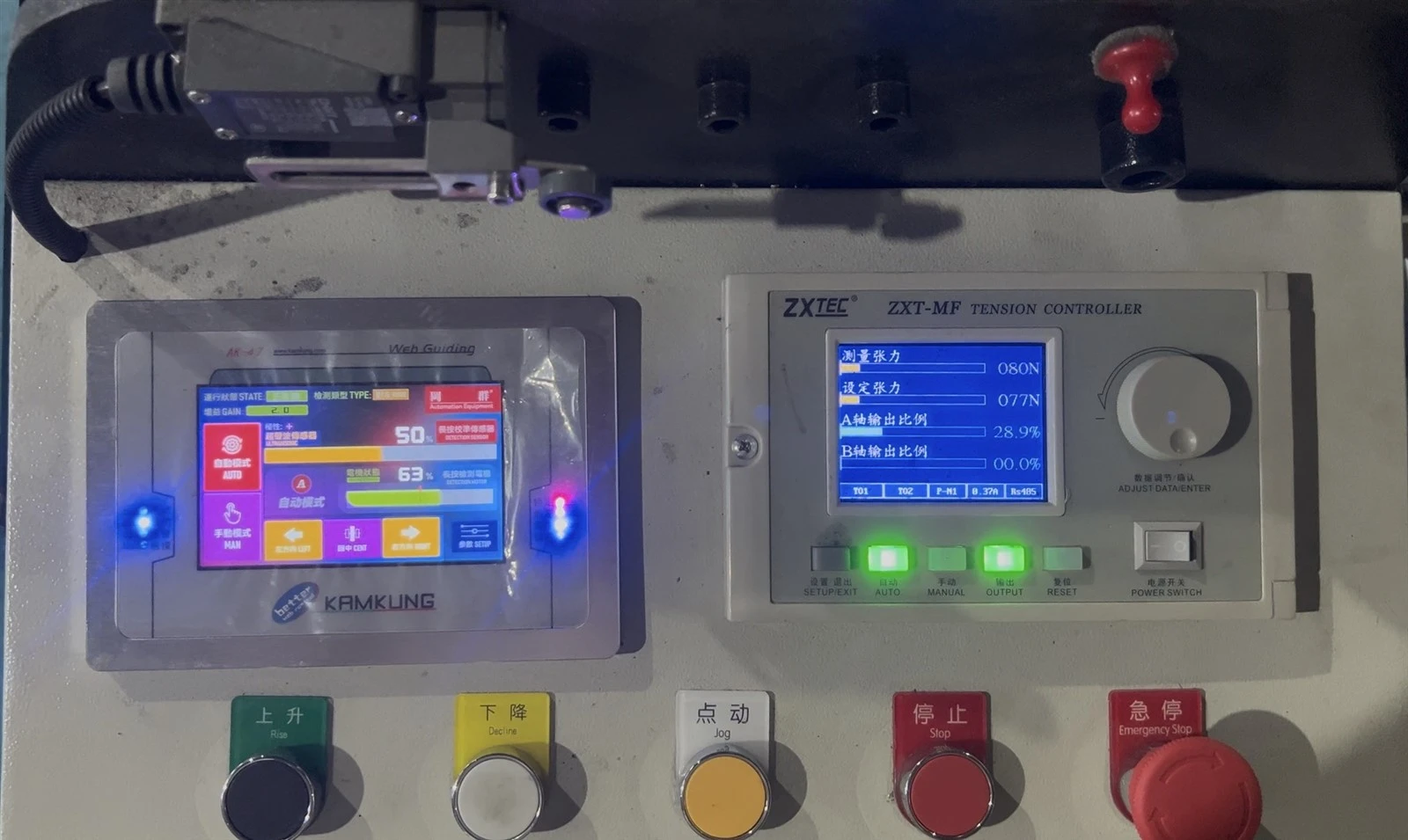
Anyone who's run a coating line knows the frustration: a seemingly well-setup run suddenly produces wrinkled film, uneven coating weight, or even web breaks halfway through the roll. More often than not, the root cause boils down to poor tension control. As a specialist in coating and converting equipment, Howie Machinery is sharing core knowledge on this often underappreciated process variable, to help manufacturers reduce waste and run more consistent production.
At its simplest, web tension control is about managing the force applied to a continuous sheet of material – whether it's plastic film, paper, metal foil, or nonwoven fabric – as it moves through unwinding, coating, drying, and winding stations. When tension stays consistent, the material lies flat, tracks straight, and receives an even application of coating. When it fluctuates, problems quickly pile up.
"A lot of factory teams focus only on coating formula or line speed, but tension is the hidden factor that makes or breaks your end product," said a senior technical engineer at Howie Machinery with over a decade of field experience. "Even a small, unnoticeable shift in tension can throw off coating thickness, cause misalignment in multi-layer processes, or stretch thin substrates out of spec. For high-precision applications, that's scrap material and lost profit."
For coating operations, the stakes are high. Uneven tension stretches the web in some sections and lets it go slack in others, directly leading to inconsistent coating weight across the roll width. For multi-layer coating or inline printing, unstable tension ruins layer alignment, wasting entire batches of material. Too much tension can permanently deform thin or elastic films; too little causes wrinkles and web wandering that derail final winding quality. Over a full production shift, these issues can add up to significant material waste.
Today's coating lines use several common tension control approaches, each with its own use cases. Open-loop dancer systems rely on a weighted roller to absorb minor speed changes; they are affordable and simple to maintain, making them a solid fit for low-speed, lower-precision lines, but struggle with fast acceleration or deceleration. For higher accuracy requirements, closed-loop systems with load cells measure actual tension in real time and adjust drive speeds automatically. Howie Machinery's standard coating lines pair high-sensitivity load cells with PID control logic to hold tension within ±1% accuracy, a level needed for optical films and lithium battery electrode coating. For winding specifically, taper tension functionality gradually reduces tension as the roll builds in diameter, preventing core crushing and inner-layer wrinkling.
From years of supporting customer sites, Howie Machinery's team sees the same tension challenges come up repeatedly. Speed changes during start-up and slowdown create tension spikes from roll inertia – a problem solved with built-in inertia compensation in the drive system. Constantly changing roll diameter on unwinds and rewinds is another universal issue, handled by ultrasonic sensors or diameter calculation that adjusts motor torque on the fly. And for elastic materials like stretch films, lower tension setpoints and softer control tuning are a must to avoid permanent deformation.
Every coating machine built by Howie Machinery comes with segmented tension control, meaning operators can set independent tension values for unwinding, the coating head, oven section, and rewinder. The HMI displays real-time tension trends, making it easier for production teams to spot issues early and fine-tune processes without guesswork.
"We design our systems so that good tension control isn't just for engineers with decades of experience," the company noted. "It should be straightforward for any operator to set up and run reliably."
As coating industries push for thinner substrates, faster line speeds, and tighter quality standards, solid tension control will only grow more important. Howie Machinery continues to refine its control systems through real-world customer feedback, helping manufacturers around the world hit higher yields and more consistent product quality.
For more details on Howie Machinery's coating equipment and tension control solutions, visit the company website or reach out to their technical sales team.
If you'd like to learn more or discuss customization options, feel free to contact us!


